
Cache size is one of the key factors that can impact your CPU performance, especially when you’re gaming. In this article, we’re breaking down everything you need to know about CPU cache and why size matters.


When it comes to PC performance, there’s a lot of jargon thrown around, and one of those terms you might hear often is “cache size.” But what does it actually mean, and why should you care? Cache is a small, ultra-fast type of memory built directly into your CPU. It stores the data your processor needs most often, so when you’re gaming, it can access that data quicker than if it had to fetch it from a slower storage medium such as your HDD.
Key Terms
CPU / Processor
The brain of your computer. It performs the calculations and tasks that run everything from games to apps.
Cache
A small, super-fast memory built into the CPU that stores frequently used data for quicker access.
Cache Size
The amount of cache memory your CPU has. Larger cache sizes allow for more data to be stored, improving performance, especially in demanding tasks like gaming.
L1, L2, L3 Cache
These are different levels of cache. L1 is the smallest and fastest, located directly on the CPU core, while L2 and L3 are larger and slightly slower, with L3 being shared between all cores.
Threads
Threads are units of execution within a CPU. A CPU can run multiple threads at once, improving multitasking and performance in certain applications.
Core
A CPU core is like a mini-processor. More cores allow a CPU to perform multiple tasks simultaneously, improving performance in multi-threaded applications.

What is Cache and How Does It Work?
Cache is a small but super-fast memory located directly on your CPU. It’s designed to store frequently used data, so your processor doesn’t have to wait for slower components like RAM or storage to provide it. When your CPU needs to access data, it first looks in the cache, where the most commonly used instructions or values are kept for quick retrieval. This speeds up your system, especially in tasks like gaming, where fast processing is crucial.

There are three levels of cache: L1, L2, and L3. L1 cache is the smallest but fastest, located closest to the cores of the CPU. It holds the most critical data for immediate use. L2 cache is slightly larger and a bit slower, typically shared between two cores, and stores data that’s still important but not as urgent. L3 cache, the largest of the three, is shared among all CPU cores and holds data that might be needed soon but isn’t as time-sensitive.
How Does Cache Size Affect CPU Performance?
Cache size plays a crucial role in real-world CPU performance, especially in tasks that rely on fast data access. A larger cache allows the processor to store more frequently used instructions and data closer to the cores, reducing the need to fetch them from slower system memory. This results in smoother multitasking, faster load times, and improved efficiency in CPU-intensive applications.
| CPU | L1 Cache Size | L2 Cache Size | L3 Cache Size |
| AMD Ryzen 7 9800X3D | 640 KB | 8 MB | 96 MB |
| AMD Ryzen 7 7800X3D | 512 KB | 8 MB | 96 MB |
| Intel Core Ultra 9 285K | P Cores: 112 KB per core E Cores: 96 KB per core | 40 MB | 40 MB |
| Intel Core i7-12700K | P Cores: 80 KB per core E Cores: 96 KB per core | 12 MB | 25 MB |
Games, for example, benefit from larger cache sizes as they help by reducing stuttering and improving frame rates, especially in open-world titles with complex assets. Additionally, video editing, 3D rendering, and general data processing benefit immensely from a larger cache.
AMD X3D Processors: A New Level of Performance
AMD X3D processors are a game-changer when it comes to CPU performance, particularly in tasks like gaming and high-performance computing. What sets these bad boys apart is the 3D V-Cache tech, which literally stacks extra cache memory right on top of the CPU cores. This gives your CPU a serious boost in cache capacity, meaning it can access data faster and handle those heavier tasks with way less lag. More cache means the CPU isn’t constantly scrambling for data, reducing latency and improving FPS.
Time For A New CPU?
With both Intel and AMD releasing processors with ground-breaking gaming performance, there has never been a better time to be a gamer! Below are a couple of our top sellers.

AMD Ryzen 7 9800X3D Eight Core 5.20GHz (Socket AM5) Processor – Retail
PRO-AMD-03517
£409.99 £ 368.99
-10%(incl. VAT)
FREE SHIPPING
in stock
ADD TO BASKET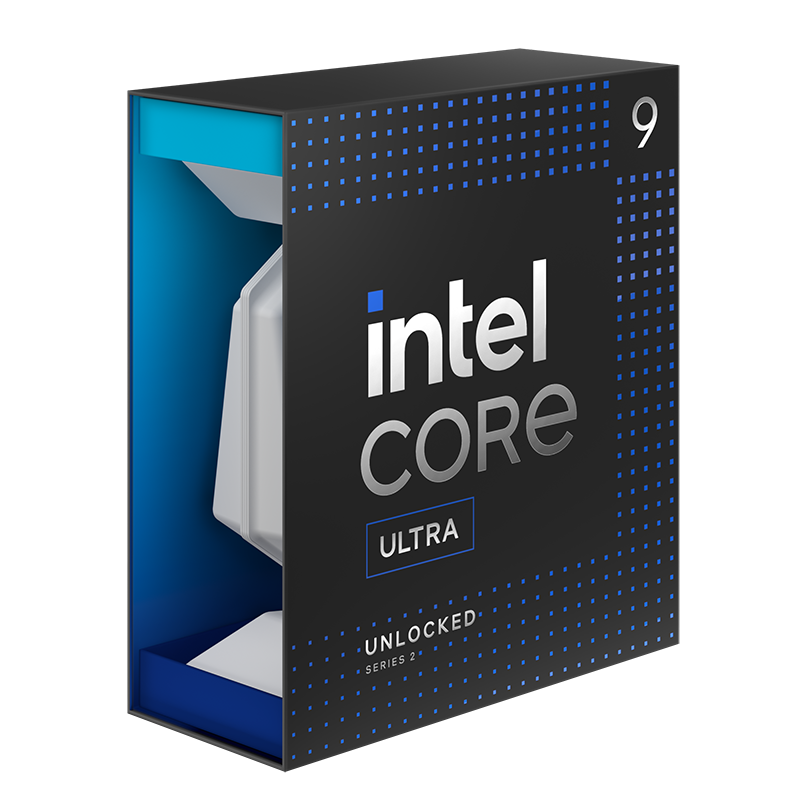
Intel Core Ultra 9 285K (Arrow Lake) Socket LGA 1851 Processor – Retail
PRO-INT-03110
£599.99 £ 529.99
-11.67%(incl. VAT)
FREE SHIPPING
in stock
ADD TO BASKET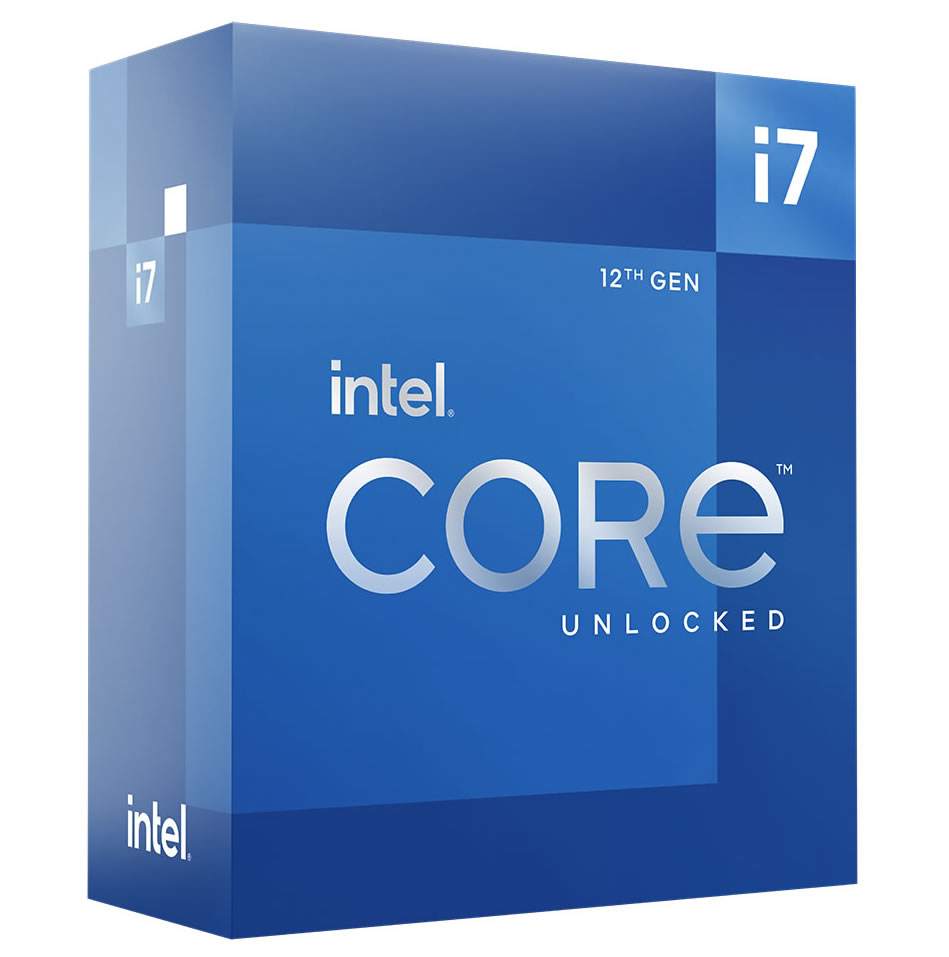
Intel Core I7-12700K 3.60GHz (Alder Lake) Socket LGA1700 Processor – Retail
CP-69Z-IN
£299.99 £ 269.99
-10%(incl. VAT)
FREE SHIPPING
in stock
ADD TO BASKET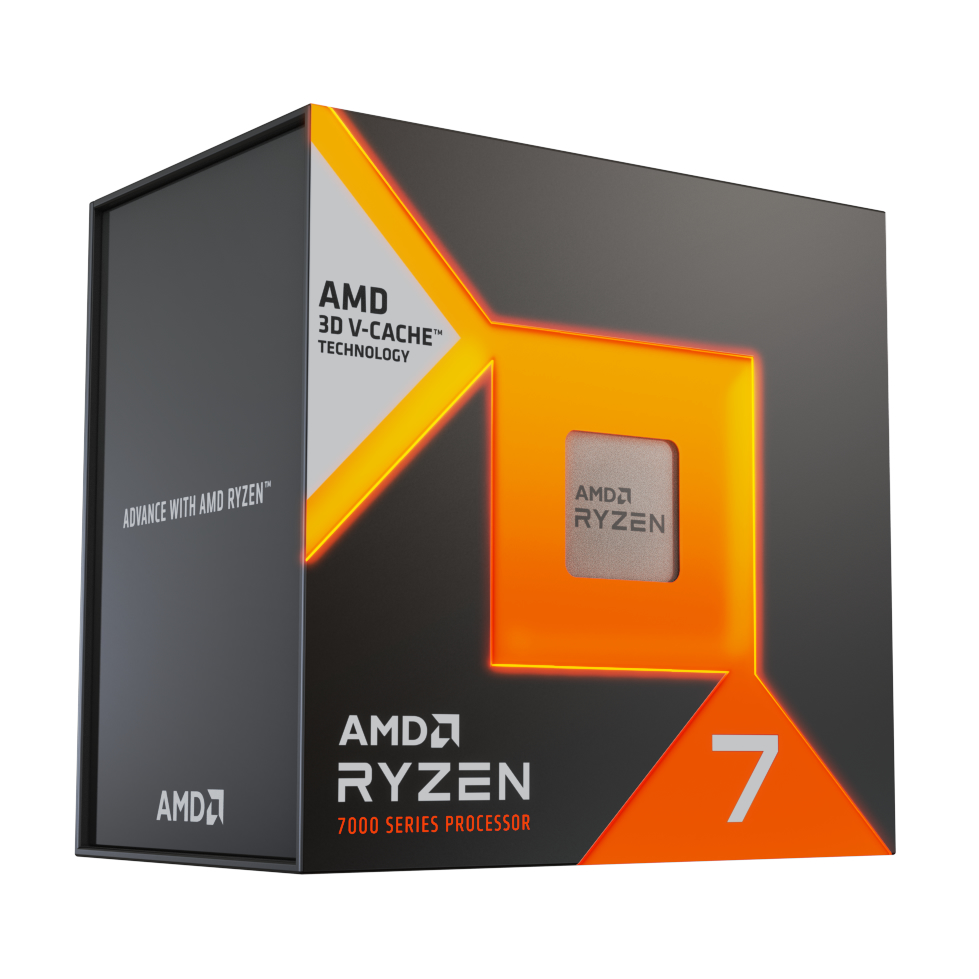
AMD Ryzen 7 7800X3D Eight Core 5.00GHz (Socket AM5) Processor – Retail
CP-3DT-AM
£364.99 £ 319.99
-12.33%(incl. VAT)
FREE SHIPPING
in stock
ADD TO BASKETWant To Know More About PC Components?


What Should We Explain Next?
Let’s be honest: understanding everything about PC components is a daunting task. If you’ve got a topic you’d like us to explain, drop us a comment.
- 4 min read

Robert Mullane
Author
When not working, you'll find me in VR or losing in bottom-tier Valorant matches. I write about all topic's tech and gaming with a particular focus on representation in gaming, virtual reality, and LGBTQ+ themes. If you're still not fed up with me, you can also catch me over on the Overclockers UK TikTok and YouTube accounts.
Read More >>