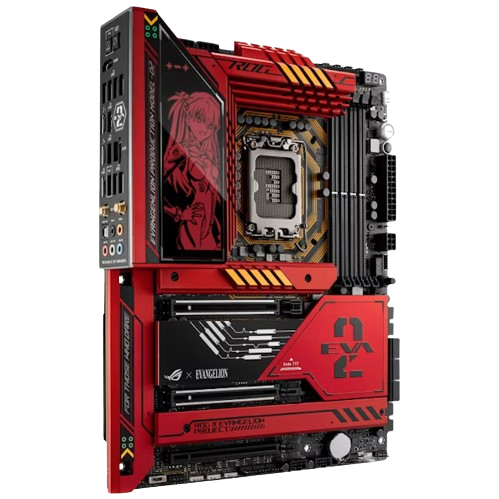
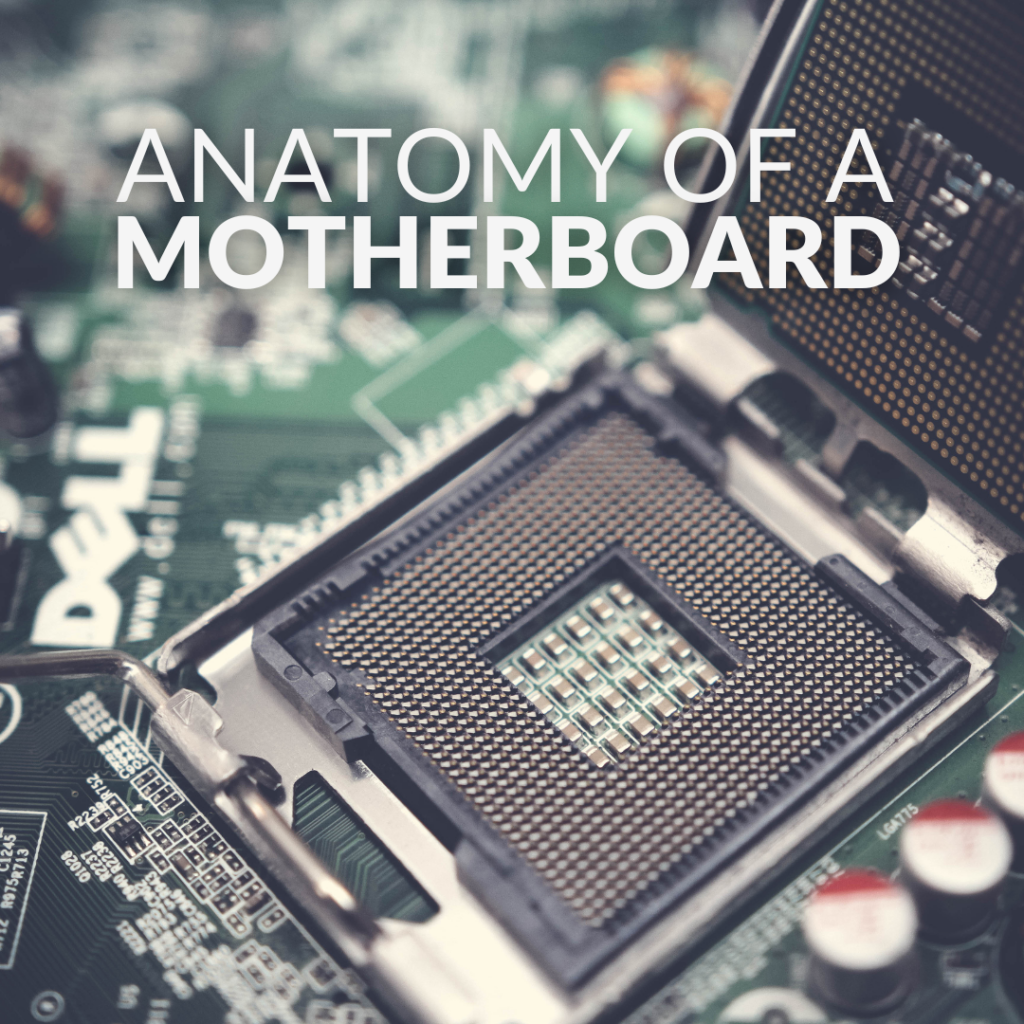
Motherboards
- AMD AM4 socket: Ready for Ryzenâ„¢ 5000 Series/ 4000 G-Series/ 3000 Series Desktop Processors
- Best gaming connectivity: PCIe® 4.0-ready, dual M.2, USB 3.2 Gen 2 Type-C® plus HDMIâ„¢ 2.1 and DisplayPort 1.2 output support
- Smooth networking: Intel® 2.5Gb Ethernet with ASUS LANGuard
- Robust power solution: Teamed power stages with ProCool power connector, high-quality alloy chokes and durable capacitors
- Renowned software: Intuitive dashboards for UEFI BIOS and ASUS AI Networking make it easy to configure gaming builds
- DIY-friendly design: Includes pre-mounted I/O shield, BIOS FlashBackâ„¢, Q-LEDs and SafeSlot
- Unmatched personalization: ASUS-exclusive Aura Sync RGB lighting, including Aura RGB headers and Addressable Gen 2 RGB header
- Industry-leading gaming audio: AI Noise-Canceling Microphone, SupremeFX S1220A codec, DTS® Sound Unboundâ„¢ and Sonic Studio III for immersive audio
Motherboards
Your motherboard is the heart of your gaming PC. In simple terms, it connects all core hardware. Overclockers UK's extensive selection of motherboards is perfect for AMD Ryzen and Intel Core processors. What’s more, this range includes high-performance gaming motherboards, affordable options, and support for the latest hardware! Find the perfect E-ATX, ATX, Micro-ATX, or Mini-ITX motherboard for your gaming PC and take your pick from industry-leading brands, including ASUS, MSI, and Gigabyte.
Motherboard Form Factors Explained
E-ATX motherboards: E-ATX motherboards are larger, extended versions of standard ATX motherboards, offering additional features and more space for components.
ATX Motherboards: ATX motherboards are full-sized and feature-rich, ideal for high-performance gaming PCs that require multiple expansion slots.
Micro-ATX Motherboards: Micro-ATX motherboards offer a balance between size and functionality, fitting smaller cases while providing decent expandability.
Mini-ITX Motherboards: Mini-ITX motherboards are compact and powerful, perfect for portable gaming PCs or small form factor builds.
Choosing the Right Form Factor: Consider your case size, hardware requirements, and future upgrades before choosing a motherboard.
Common Motherboard Socket Types
LGA 1700: Designed as a replacement for LGA 1200, this is Intel's latest socket type and is compatible with 12th, 13th, and 14th Gen CPUs.
LGA 1200: LGA 1200 sockets are designed for Intel’s 10th and 11th generation Core processors, offering excellent performance for gaming and productivity.
AM4: AM4 sockets support a myriad of AMD Ryzen processors, providing a versatile and budget-friendly option for gamers.
AM5: AM5 sockets are the latest from AMD, designed to accomodate Ryzen 7000 Series and next-generation processors, delivering cutting-edge performance and future-proofing your build.
Want to Read More?
Don’t know your motherboard from your processor? Don’t panic! This article on the Overclockers UK Blog has everything you need to know about motherboards.
Read MoreMotherboards FAQ
Which motherboard should I choose for gaming?
For gaming, look for motherboards with robust VRM cooling, PCIe 4.0 or 5.0 support, and compatibility with high-performance CPUs like Intel Core i7/i9 or AMD Ryzen 7/9.
What is the difference between ATX, Micro-ATX, and Mini-ITX motherboards?
ATX motherboards are full-sized with many expansion slots, Micro-ATX are smaller with balanced features, and Mini-ITX are compact with limited slots but ideal for tiny builds.
How do I know if a motherboard is compatible with my CPU?
Check the motherboard's socket type and chipset compatibility with your CPU model to ensure they match. If you are still unsure, consult the manufacturers website.
What is the difference between PCIe 4.0 and PCIe 5.0?
PCIe 5.0 offers double the data transfer rate of PCIe 4.0, providing faster performance for GPUs and NVMe SSDs.