


Intel Pentium Processors
2 Results

CP-69H-IN
(0)
BX80701G6605, 2/4 Cores / Threads, 4.30GHz Clock Speed, 4mb Cache, 58W TDP, Dual Channel DDR4 Controller, Onboard Graphics: Yes, 3 Year Warranty
Intel Pentium Processors

The Intel Pentium was first introduced in 1993, where it became Intel’s flagship CPU series, until it was supplanted by the Intel Core Series in 2006. As of 2023, the Pentium has simply been rebranded as Intel Processors. Recent Intel Pentium processors are based on the same architectures as the Intel Core Series. As such, they share many of the same features and sockets. Many Pentium CPUs harness a dual-core architecture which can operate four threads, thanks to Intel Hyper-Threading, and support the latest RAM standards, including both DDR4 and DDR5. What’s more, many Intel Pentium processors come with integrated graphics, making them a fantastic choice for an entry-level or casual gaming PC. With the addition of a dedicated graphics card, however, a Pentium gaming PC will be able to play modern AAA titles. With their generally lower power consumption, an Intel Pentium processor is easy to maintain at peak performance with a simple cooling solution.
A Historic Processor
Since its introduction in 1993, the Intel Pentium processor has played a large role in the evolution of personal computing. The series has utilised a wide range of architectures and seen the innovation of many technologies that are still in use today.
- Pentium: The first processor to break from Intel’s previous naming convention, the Pentium utilised the P5 architecture. This boasted a major improvement in processing performance, with innovative technology superscalar architecture allowing it to process multiple instructions in parallel. When it first launched, the Pentium had 3.1 million transistors and could reach speeds of 60MHz. By the end of its lifecycle, this had increased to 3.3 million transistors and speeds of up to 200MHz.
- Pentium Pro: The first Intel processor to utilise the P6 architecture, the Pentium Pro was introduced as a professional CPU, perfect for high performance workstations and servers. This CPU saw the introduction of technology such as out-of-order execution and used a 350nm process, which boasted 5.5 million transistors and could reach speeds between 150-200MHz.
- Pentium II: Based on the same architecture as the Pentium Pro, the Pentium II was aimed at the consumer market. Instead of utilising a standard LGA socket, the Pentium II used a Single Edge Contact Cartridge (SECC) design. It closely resembled a modern PCIe expansion card rather than a “traditional chip”, with a PCB that could be inserted into a dedicated port on the motherboard called Slot 1. The Pentium II featured 7.2 million transistors and could reach speeds between 233MHz and 266MHz.
- Pentium 4: With the Pentium 4, we saw the introduction of Intel Hyper-Threading technology, which permits a single physical core to act like two logical cores. This provided a marked increase in performance. As such, slower hyper-threaded CPUs could compete with faster non-hyper-threaded processors.
- Pentium Dual-Core: The Pentium Dual-Core, otherwise known as the Pentium D, was the first Intel processor to boast two cores. The initial release utilised two Northwood cores, with subsequent models featuring two Cedar Mill cores.
Want to Read More?
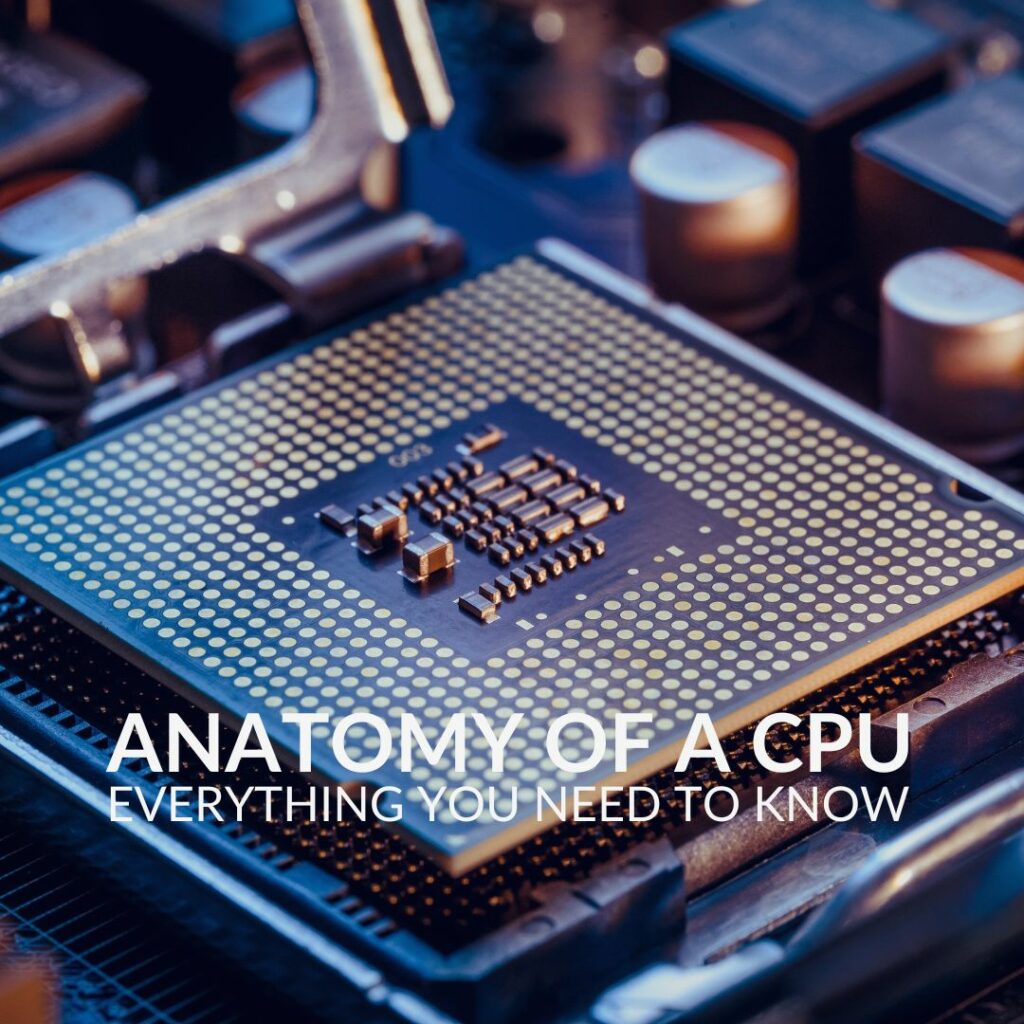
The CPU is the brain of your PC, but what goes into these powerful processors? We’re here to help you figure this out, as we explore everything you need to know in our Anatomy of a CPU article.
Read MoreIntel Pentium Processors FAQ
What Intel Pentium processors do Overclockers UK stock?
Here at Overclockers UK, we stock the Intel Pentium Gold Dual Core G6605.
Are Intel Pentium processors still around?
Intel has retired the Intel Pentium name, having announced in 2022 that after 2023 the Intel Pentium and Celeron brands will be renamed as Intel Processors instead.
Are Intel Pentium processors good for gaming?
An Intel Pentium processor can be used for casual gaming; however, they are better suited to everyday computing tasks, such as web browsing and office work.
What socket does an Intel Pentium processor use?
Many Pentium processors utilise the same sockets as an Intel Core Series, with recent models compatible with LGA 1200 or LGA 1700. You can check the Intel website to find which socket your Pentium processor uses.


