Intel Motherboards
- Digital 16+1+2+1 Phases 80A SPS VRM with Tantalum Polymer Capacitor
- Reinforced PCIe UD Slot X PCIe 5.0 with PCIe EZ-Latch Plus Design
- PCIe M.2 design (Up to 25110) with M.2 EZ-Latch Plus & Thermal Guard
- Fully Covered MOSFET Heatsinks with heatpipe/M.2 EZ-Latch Click Design
- 2x2 Wi-Fi 7 with WIFI EZ-Plug Design
- 2.5GbE LAN, THUNDERBOLT 4 Type-C, USB 3.2 Gen2 Type-C
Intel Motherboards
At Overclockers UK, we have a collection of Intel motherboards in a variety of sizes, from Mini-ITX to EEB, built by manufacturers including ASUS, ASRock, MSI, and Gigabyte. These motherboards utilise chipsets that are compatible with one or more Intel Core generations. They offer feature sets at a range of performance tiers, such as increased PCIe lanes, more expansion slots, and overclocking support on high-end chipsets. Intel motherboards come in a variety of sockets, including LGA 1200, 1700, and 4677. These are designed to match a specific generation of CPU with LGA 1200 sockets being used for 10th and 11th Gen CPUs, LGA 1700 sockets supporting 12th, 13th, and 14th Gen Intel processors, and LGA 4677 utilised for Intel Xeon workstation CPUs.
Understanding a Designation
Intel motherboards feature a designation, such as Z790. These are there to make identifying the capabilities of a motherboard quick and simple. To help you understand these, we have broken this example up into its composite parts below:
- Zxxx The letter at the start of a motherboard's designation corresponds to the type of motherboard it is. There are several letters used, with some of the most common being H, B, and Z. H Series motherboards are suitable for entry level gaming, as they offer basic functionality. B Series motherboards are a mainstream motherboard for everyday gaming, with an excellent balance between price and performance. Meanwhile, Z Series are elite-tier motherboards, aimed at enthusiasts who want peak performance from their gaming PC.
- 7xx The first number in a motherboard’s name corresponds to the generation of the chipset. In our example, this is a 7th generation Intel chipset which is compatible with Intel LGA 1700 socket CPUs.
- x90 The final digits correspond to the feature set of a chipset. Generally, the higher the number, the more features the chipset can offer. This can include more PCIe lanes, better connectivity options, and increased memory support. As such, a Z790 motherboard has more features than a B760.
Want to Read More?
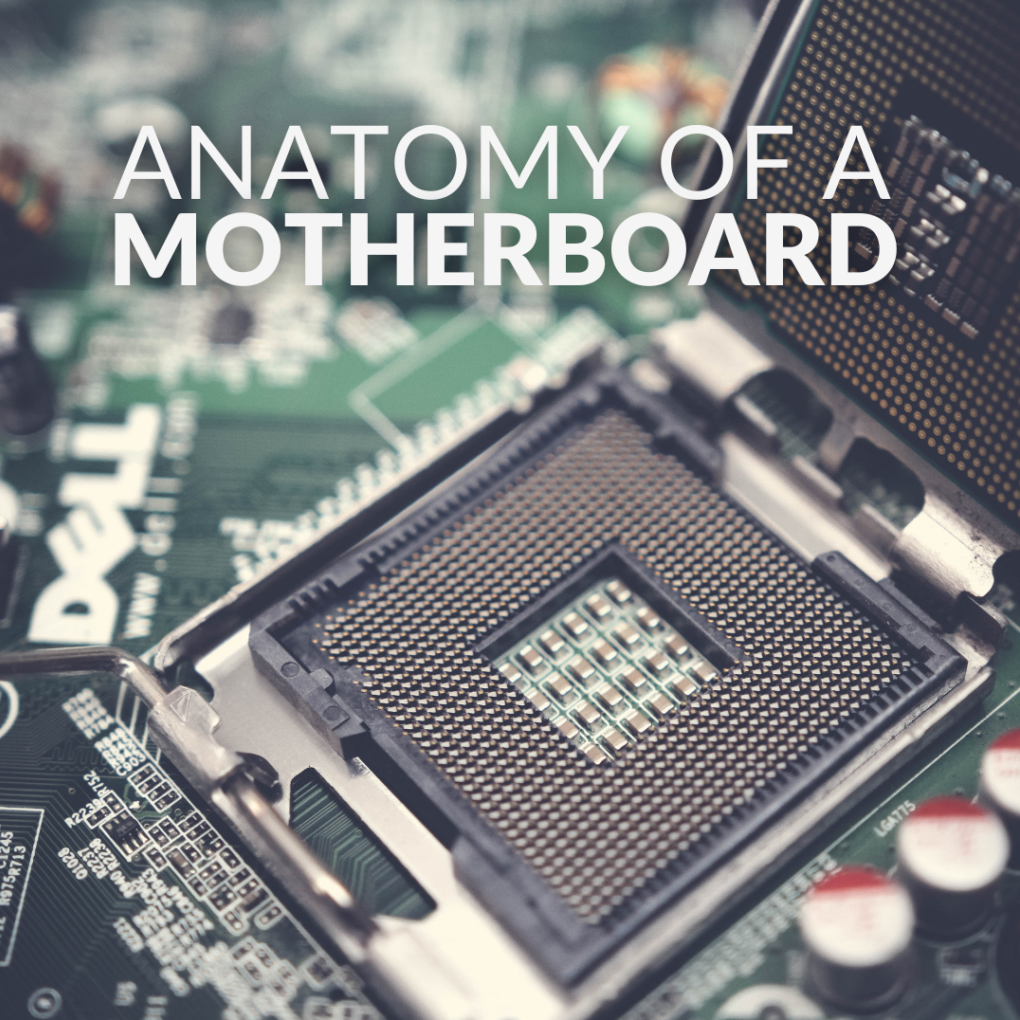
Do you get lost when people start talking about VRMs, sockets, or expansion slots? Discover everything you need to know about your motherboard with our Anatomy of a Motherboard article on the Overclockers UK blog.
Read MoreIntel Motherboards FAQ
What brands of Intel motherboards do Overclockers UK stock?
Here at Overclockers UK, you can find Intel motherboards from manufacturers including ASRock, ASUS, MSI, and Gigabyte.
Do Intel motherboards support overclocking?
Not all Intel motherboard support overclocking. A Z series motherboard generally will boast overclocking capabilities. Additionally, some B series also include this feature, please check the manufacturers website to find if they do.
What RAM does an Intel motherboard support?
The Intel motherboard chipset generation dictates RAM support. A 5th generation chipset Intel motherboard can only support DDR4, whereas 6th and 7th gen boards can support either DDR4 or DDR5 memory.
What CPU can I use with my Intel motherboard?
CPU compatibility depends on the Intel motherboard’s socket. For example, you could use a 13th Gen Core i7 CPU with a B660 motherboard, as they both use the LGA 1700 socket.